Before the Webcam, There Was the Fiesta: The Filipino Art of Teasing That Built a Content Empire
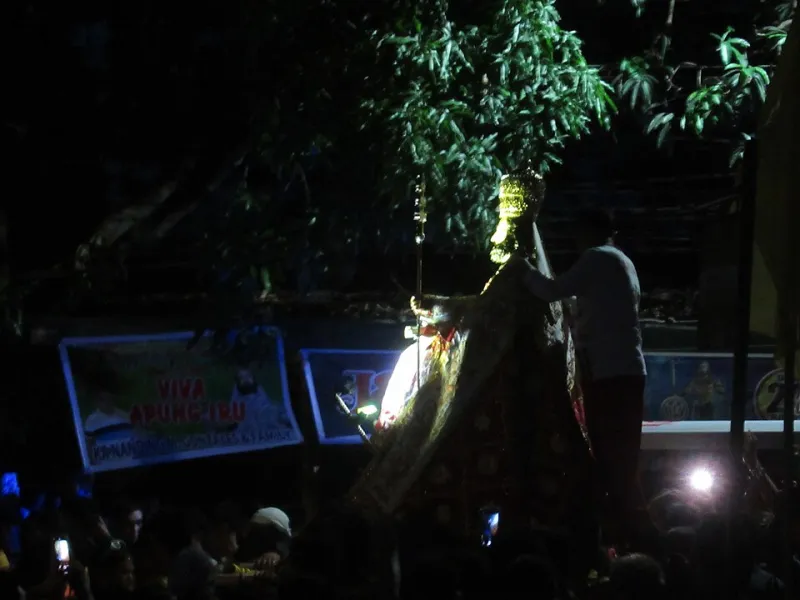
Photo: E911a, CC BY-SA 4.0, via Wikimedia Commons
Ask an American fan why they keep coming back to a particular Filipina creator and you'll get the same fumbling answer over and over: "She's just... funny? She's got this energy?" They can't name it. That's not a coincidence. What they're picking up on is a skill set that was perfected long before anyone here had a camera — a social art form Filipinos have been rehearsing since childhood.
The Banter You Grow Up With
In the Philippines, there's a word for it: kantiyaw — playful teasing, verbal spicing, the art of saying something a little bit naughty without ever saying anything at all. It's the cousin's joke at a wedding that makes the whole table howl. It's the titas at Christmas interrogating your love life with a grin. It's flirtation as a spectator sport.
Cultural scholars in Manila will tell you kantiyaw isn't just comedy — it's a whole communication system. Directness about desire is considered crude in Filipino social life, so everything romantic or suggestive travels through layers of wit, wordplay, and double meaning. The pleasure isn't in the destination; it's in the dance. Whoever gets flustered first loses.
Sound familiar? It should. That push-pull, that verbal judo, that refusal to be boring — it's all over the Pinay content scene, and American audiences feel the difference even if they can't articulate it.
Fiesta Culture as Training Ground
Every Philippine town has its fiesta, and every fiesta has its flirtation games. The barangay dance where partners get "caught" together. The teasing chants from the crowd when two people so much as make eye contact. Public, communal, good-natured pressure to perform a little charm.
"You learn early that being desired and being entertaining are the same skill," one Manila-based creator told us. "At a fiesta, if you can't banter, you're furniture. So everybody learns to banter."
That's the piece US viewers miss when they assume the appeal is purely visual. Filipino social life is a decades-long improv workshop. By the time a creator goes live, she's had twenty-some years of practice holding a room, reading an audience, and delivering a punchline with a raised eyebrow.
Why It Doesn't Translate — and Why That's the Point
American adult content, at least the mainstream studio stuff, tends to be transactional: setup, payoff, done. The Pinay scene runs on something closer to a sitcom model. Regulars in a creator's chat become characters. Inside jokes accumulate like seasons of a show. A viewer in Ohio isn't just watching — he's in on it, part of the running gag.
That's kantiyaw's structure exactly. Teasing only works between people who have a relationship, even a fake one. The banter builds a little world, and the audience gets a seat in it.
The lolas — the grandmothers — deserve credit here too. Filipino oral storytelling tradition runs matriarchal. The best storyteller in the household is usually a woman in her seventies holding court after dinner, stretching one anecdote into a forty-minute performance with voices, pauses, and a devastating final line. Timing as inheritance. Plenty of today's top creators grew up in those living rooms.
The Confidence Nobody Can Fake
There's a stereotype that Filipina creators' appeal is about being demure or shy. Anyone who's spent ten minutes in a popular stream knows that's backwards. The style is coy the way a poker player is coy — a strategic performance of modesty wrapped around total command of the room.
That's fiesta training again. In kantiyaw culture, the teased person who laughs and fires back wins. The one who crumbles loses. So the posture that reads as "shy" to American eyes is actually a loaded spring — flirtation with plausible deniability, exactly the way it's played at every family gathering in Quezon City.
What This Means for Viewers
Next time you find yourself loyal to one creator over another — same content, different magnetism — consider that you're not responding to production values or luck. You're responding to a cultural tradition of wit-as-intimacy that goes back generations, from town plazas to living rooms to, now, a phone camera broadcasting to your time zone.
The lolas never got paid for their storytelling. Their granddaughters figured out how to monetize the exact same skill. Honestly? That might be the most Filipino part of the whole story.