While America Sleeps, Manila Streams: A Night in the Life of the Pinay Content Machine
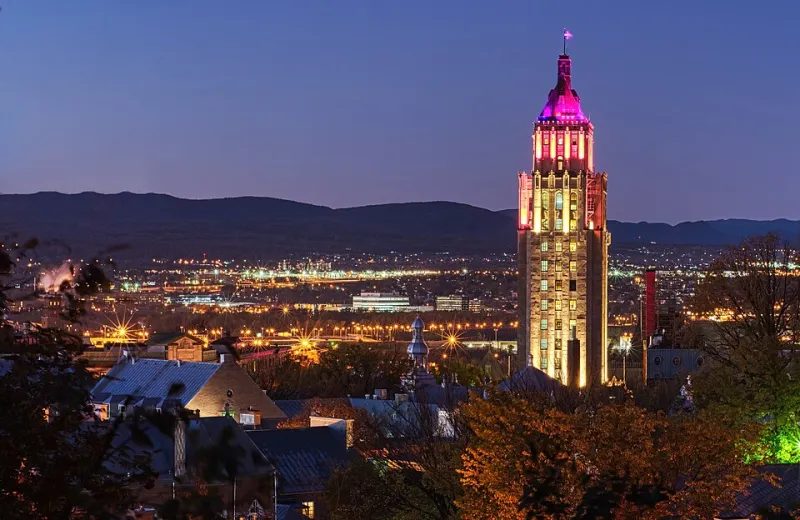
Photo: Wilfredor, CC0, via Wikimedia Commons
It's 11 PM on a Tuesday in Dallas. You're three videos deep into your late-night scroll, wondering how there's always something new. Meanwhile, 8,000 miles away, it's noon the next day in Manila — and for a lot of Filipina creators, that's prime working hours.
The Pinay content scene runs on a quirk of geography that most viewers never think about: the Philippines is 12 to 15 hours ahead of the US, depending on daylight saving. When your night shift brain wants company, her morning coffee break is just getting started. It's a strange, accidental symbiosis — and it shapes everything about how this industry works.
The Time Zone Is the Business Model
Ask any seasoned creator and she'll tell you: the US audience doesn't keep office hours. Traffic spikes when the East Coast winds down, holds through the Midwest's midnight, and tapers as the West Coast finally calls it a night. That's roughly 11 AM to 4 AM Manila time.
So the smart ones flip their schedules. They go live in the late afternoon Philippine time to catch the US lunch crowd, then again after dark to catch your 1 AM doomscroll. Some creators basically live on a reversed clock — sleeping through Manila's daylight, working through its night.
It's not glamorous. Ask anyone who's worked a night shift at a call center in BGC — a national pastime in the Philippines — and they'll describe the same weird rhythm: breakfast at sunset, vitamin D supplements, and a deep suspicion of mornings.
From Internet Café to Home Studio
The infrastructure behind your binge has evolved fast. A decade ago, much of the Philippines' online hustle ran out of internet cafés — cramped shops packed with gaming rigs, where privacy was a rumor and the guy next to you was playing DOTA at full volume. Not exactly a content studio.
Today the setup looks different. Reliable home fiber — the Philippines actually ranks among the world's heaviest internet users, and connection speeds have climbed dramatically — means creators can stream from a bedroom in Bulacan or a condo in Quezon City. A basic rig: decent ring light, a phone that shoots 4K, a fan pointed strategically off-camera because air conditioning costs money.
Then there are the co-op studios — shared spaces where several creators split rent on better equipment, faster connections, and a locked door. Think of them as the indie equivalent of a coworking space, except the coffee is 3-in-1 sachets and the dress code is whatever's on camera.
The Human Behind the Timestamp
Here's the thing we keep coming back to: every video on your feed is a person managing a genuinely complicated life. Creators juggle family expectations (the Philippines is famously close-knit, and famously gossipy), unreliable power during typhoon season, and the emotional labor of being "on" for an audience that's awake on the other side of the planet.
There's real community in it, too. Creators hype each other's streams in group chats. Veteran performers mentor newcomers on lighting, pricing, and — crucially — boundaries. Some of the co-op studios double as support networks, which matters in an industry where going it alone can feel isolating.
Why This Should Change How You Watch
None of this is a guilt trip. It's context. That video you watched at 1:47 AM? Someone woke up at 4 PM, tested her mic, checked her lighting, and went live specifically because she knew you'd be there.
So the next time you're deep in a late-night Pinay session, maybe drop a comment. Maybe follow the actual creator instead of the reupload. The scene is bigger, more inventive, and more human than the thumbnails suggest — and now you know what's really happening while America sleeps.