Polite Isn't a Yes: Filipina Creators Get Real About What American Fans Keep Getting Wrong
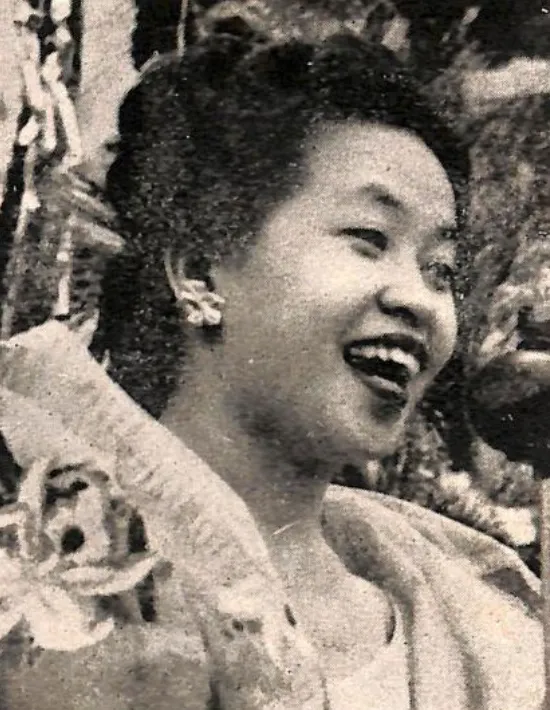
Photo: No photographer credited, Public domain, via Wikimedia Commons
There's a dynamic that plays out in DMs and chat windows every single night, and most American fans have no idea they're participating in it. A creator smiles, thanks a viewer for a tip, uses a few words of Tagalog, tosses in a heart emoji — and somewhere in Ohio, a guy decides he's basically her boyfriend now.
The gap between those two realities is where a lot of friction lives. And according to the Filipina performers and creators we hear from regularly, it's a gap built mostly on one big misunderstanding.
The Hospitality Problem
Here's the thing about Filipino culture: warmth is the default setting. Creators describe growing up in households where you feed guests who weren't planning to stay, where saying no directly is considered harsh, where pleasing people is just... how you were raised.
"Americans read my friendliness as interest," one longtime creator told us, describing a pattern that plays out across the industry. "I'm nice because that's how I talk to everyone. He thinks he's special. Then when I set a boundary, suddenly I'm 'leading him on.'"
That's the core of it. What reads in Manila as basic politeness reads in Los Angeles as flirtation. Neither side is wrong, exactly — but the mismatch creates situations where creators feel pressured to perform an enthusiasm they don't feel, because pushing back feels culturally impossible.
When Tipping Starts Feeling Like Ownership
Nobody in this industry is anti-tipping. Tips pay rent, fund better content, and keep independent creators independent. The problem is what some fans believe a tip purchases.
Multiple creators describe the same escalation: a generous tipper becomes a daily presence, then starts making requests outside the menu, then gets frustrated when those requests are declined. "I had a guy send $200 in one week, then tell me I owed him a private show," one performer shared. "Two hundred dollars is real money to me. But I don't sell my schedule. That's not the product."
This is the parasocial trap in its purest form. The fan experiences a genuine connection — she laughed at his jokes, she remembered his name, she said good morning to him. But that connection is the content, not a side effect of it. Creators are warm to hundreds of people a night. That's the job.
The resentment that follows a boundary — the "after everything I've spent" energy — is something creators say they dread more than almost anything else. It transforms a pleasant regular into a problem, and in the worst cases, into someone who screenshots, threatens exposure, or stalks across platforms.
'Sorry' Culture and the Cost of Saying No
There's a linguistic layer here that most Western fans never consider. In Tagalog and in Filipino-English, softening words do heavy lifting. A creator who says "maybe later" often means no. "I'll think about it" means no. "That's not really my thing po" — with the politeness particle attached — is a firm no wrapped in cushioning.
American fans, raised on directness, hear "maybe" and keep negotiating.
"I say sorry when I decline, because that's automatic for me," one creator explained. "Then he hears 'sorry' as 'convince me.' I'm not being coy. I'm being Filipino."
The takeaway for fans is simple but requires actual effort: when a creator deflects, accept the deflection. Don't translate her politeness into your language. Translate it into hers.
A Working Etiquette for Welcome Guests
The creators who spoke with us weren't asking for anything dramatic. They like American fans — tips are generous, the time zones mean US evenings fill their peak hours, and plenty of viewers are genuinely respectful. What they want is a short list of behaviors that signal you get it:
- Tip for the content, not for access. Generosity buys you nothing except the content itself. If a creator wants to chat beyond the show, that's her call, offered freely.
- Take the soft no. "Maybe," "later," "we'll see," a topic change — these are complete sentences. Pushing past them doesn't make you persistent. It makes you the reason she hides her DMs.
- Don't ask where she is. City, neighborhood, school, real name — requests for identifying details read as a threat, not as intimacy. In an industry where doxxing is a genuine safety issue, this is the fastest way to get blocked.
- Match her energy, don't escalate it. If she's playful with everyone in chat, you're not being singled out. Enjoy the show. That's the whole transaction.
- Respect the off-switch. Creators log off, take days off, and have families. A message sent at 3 a.m. her time demanding a reply isn't a conversation. It's a demand with a timestamp.
The Bottom Line
Filipina creators built careers on being welcoming — it's a genuine cultural strength and honestly a big part of why Pinay content has the following it does. But welcome isn't the same as available, and warmth isn't the same as consent.
The fans who thrive in these spaces aren't the biggest spenders. They're the ones who learned the difference.