Buffering at the Worst Possible Moment: The Untold Story Behind Every Pinay Stream's Lag

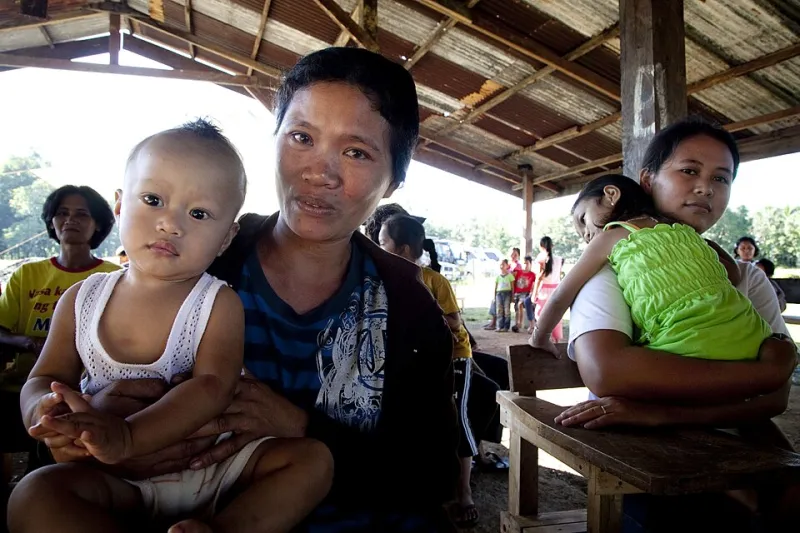
Photo: Rembrandt, Public domain, via Wikimedia Commons
You're in chat, it's 2 AM your time, things are getting good — and then the screen freezes. Frame drops. The audio stutters. Half the room starts typing "lag again??" and bails. What most viewers don't realize is that on the other side of that frozen frame, there's a creator in Quezon City or Davao watching her income literally disconnect in real time.
Welcome to streaming from the Philippines, where going live means battling some of the least reliable internet in the region — and winning anyway.
The Infrastructure Nobody Talks About
The Philippines is an archipelago of over 7,000 islands. That geography is postcard material, but it's a nightmare for broadband. Undersea cables take the hits from typhoons and earthquakes, and when one goes down, entire regions drop offline for days.
Even in Manila, connection quality is a lottery. A creator might pay for a "fast" plan and still get speeds that would make a rural American ISP blush. Add brownouts — rolling power interruptions that hit without warning — and you start to understand why every serious Filipina streamer has a backup plan taped to the wall.
Typhoon Season Is Prime Time, Unfortunately
Here's the cruel irony: the Philippines sits directly in the Pacific typhoon belt, and storm season runs roughly June through November — months that overlap with peak streaming demand. When a typhoon rolls in, creators face a choice: go dark and lose a week of income, or stream through heavy rain knowing the connection could die at any moment.
Many stream. The regulars in chat learn to read the signs — a creator suddenly switching to a phone hotspot mid-show usually means the neighborhood fiber just gave up again.
'Load Lang': The Prepaid Workaround
Unlike the US, where unlimited plans are standard, much of the Philippines runs on prepaid mobile data called "load." Creators top up in small amounts, and a long stream can burn through a day's earnings in data alone.
Hence the phrase you'll see in Filipino fan communities: "sigi lang, load lang" — roughly, "keep going, as long as there's load." It's become a running joke and a genuine survival strategy. Some creators stream at lower resolutions to stretch their data. Others schedule shows around off-peak hours when networks are less congested. The savviest ones keep two carriers' SIM cards active, jumping between networks depending on which tower is behaving that night.
What a Dropped Frame Actually Costs
On a free tube site or cam platform, attention is currency. When a stream buffers, viewers leave — and they don't come back to the same room. Studies of live streaming consistently show that even a few seconds of delay meaningfully drops watch time. For a creator whose income depends on tips arriving in a live moment, that's not an inconvenience. It's rent.
That's why you'll sometimes see a Filipina creator acknowledge the lag directly, joke about it, even turn it into a bit. It's not just charm. It's retention strategy under conditions most American creators never have to think about.
What Viewers Can Actually Do
A little patience goes further than you'd think:
- Don't bail on a buffer. Regulars know the stream comes back, and the creator notices who stayed.
- Tip for the outage, not just the show. A tip during a rough connection night hits different — it says "I see what you're dealing with."
- Skip the "your internet sucks" comments. Her internet doesn't suck. Her country's infrastructure does. There's a difference.
The Takeaway
The next time a Pinay stream stutters, remember what it took to get that pixel to your screen at all: prepaid load, backup SIMs, a power bank charged out of habit, and the nerve to go live during typhoon season. The glitch isn't the story. The persistence is.