No Studio, No Middleman: How Filipina Creators Are Taking Their Careers Into Their Own Hands
Photo: Unknown authorUnknown author, Public domain, via Wikimedia Commons
There was a time — not that long ago, honestly — that if you wanted to see Filipina adult content, your options were limited. A handful of production studios, a few DVD distributors, and whatever made it onto free tube sites after the fact. The creators themselves? Often the last people to see a dime, and the last people asked for consent.
That era is ending. And honestly, it's ending fast.
The Smartphone Studio Is Real
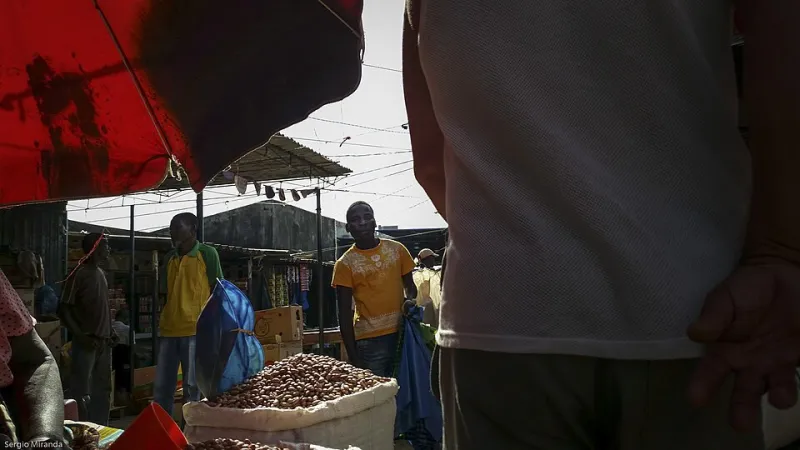
Head to Manila, Cebu, or Davao and you'll find creators running one-person production operations out of rented condos and family spare rooms. A ring light, a decent phone camera, a tripod — that's the whole setup for many of them. No casting couches, no contracts written in someone else's language, no producer deciding how they should look or act.
What's changed is distribution. Platforms like OnlyFans, Fansly, and a wave of creator-first sites let performers sell directly to subscribers. For a Filipina creator with a laptop and decent English (which, given the Philippines' education system, is common), the American market is suddenly reachable from a Jeepney ride away.
The Economics Hit Different
Here's the part most viewers never think about: the money split.
Under the old studio model, a performer might earn a flat fee — sometimes shockingly small — for content that generated revenue for years. Direct-to-fan flips that equation. A creator keeps the majority of every subscription, tip, and custom video request. For creators in the Philippines, where average wages are a fraction of US equivalents, that income gap can be genuinely life-changing.
Some creators are earning more in a month than they used to in a year. And they're doing it on their own terms — choosing what to film, who to work with, and when to stop.
The Censorship Tightrope
It's not all upside, though. Independent creators live at the mercy of platform policies that seem to change with the weather. Financial processors pressure platforms; platforms pressure creators. One policy memo can wipe out a payout or deplatform an entire career overnight.
Add in the Philippines' own legal gray zones around adult content, plus the social stigma that still runs deep in a predominantly Catholic country, and you get creators who are simultaneously more empowered than ever and more vulnerable than ever. Many use stage names, separate phones, and VPNs just to keep their professional and personal lives from colliding.
Why Viewers Should Care
If you're watching from the US, this shift matters to you too — maybe more than you realize.
First, authenticity. Creator-run content looks different because it is different. There's no script, no forced chemistry, no overproduced setup. It's a real person sharing real content, and audiences can tell.
Second, ethics. When you subscribe to or tip a creator directly, you know where the money goes. That's a far cry from the old tube-site ecosystem, where provenance was a mystery and consent was a coin flip.
Third, connection. Many creators interact with fans directly — DMs, custom requests, live streams. That's a level of access the studio era simply never offered.
What Comes Next
The indie wave isn't going anywhere. As payment infrastructure improves and more platforms compete for creator loyalty, expect Filipino independent talent to keep growing their share of the global market. Studios aren't disappearing entirely, but they're no longer the only door in the building.
For viewers, the takeaway is simple: the person on your screen is more likely than ever to be the one in charge. Support them directly, and everybody wins — except, maybe, the middlemen.